Melodies
Main Contents
162 melodies from Ladukhin's "Collection of Monophonic Solfeggi," Concone's "The School of Sight Singing," and "50 Leçons de chant" (Op. 9). Ladukhin's original scores are monophonic (melody only), so piano accompaniment was added by the developer. Concone's works include piano accompaniment in the original scores.
Extra Contents
Over 180 melodies by J.S. Bach, Beethoven, Schubert, Fanny Mendelssohn, Clara Schumann, Fauré, Debussy and others. Grouped by key signature, ordered by year of composition. Shorter pieces are preferred for practice. Includes both well-known and lesser-known works — unfamiliar pieces are better for sight-singing training. Available as In-App Purchase. See the full list of composers and the complete song list.
Nikolay Ladukhin (1860–1918)
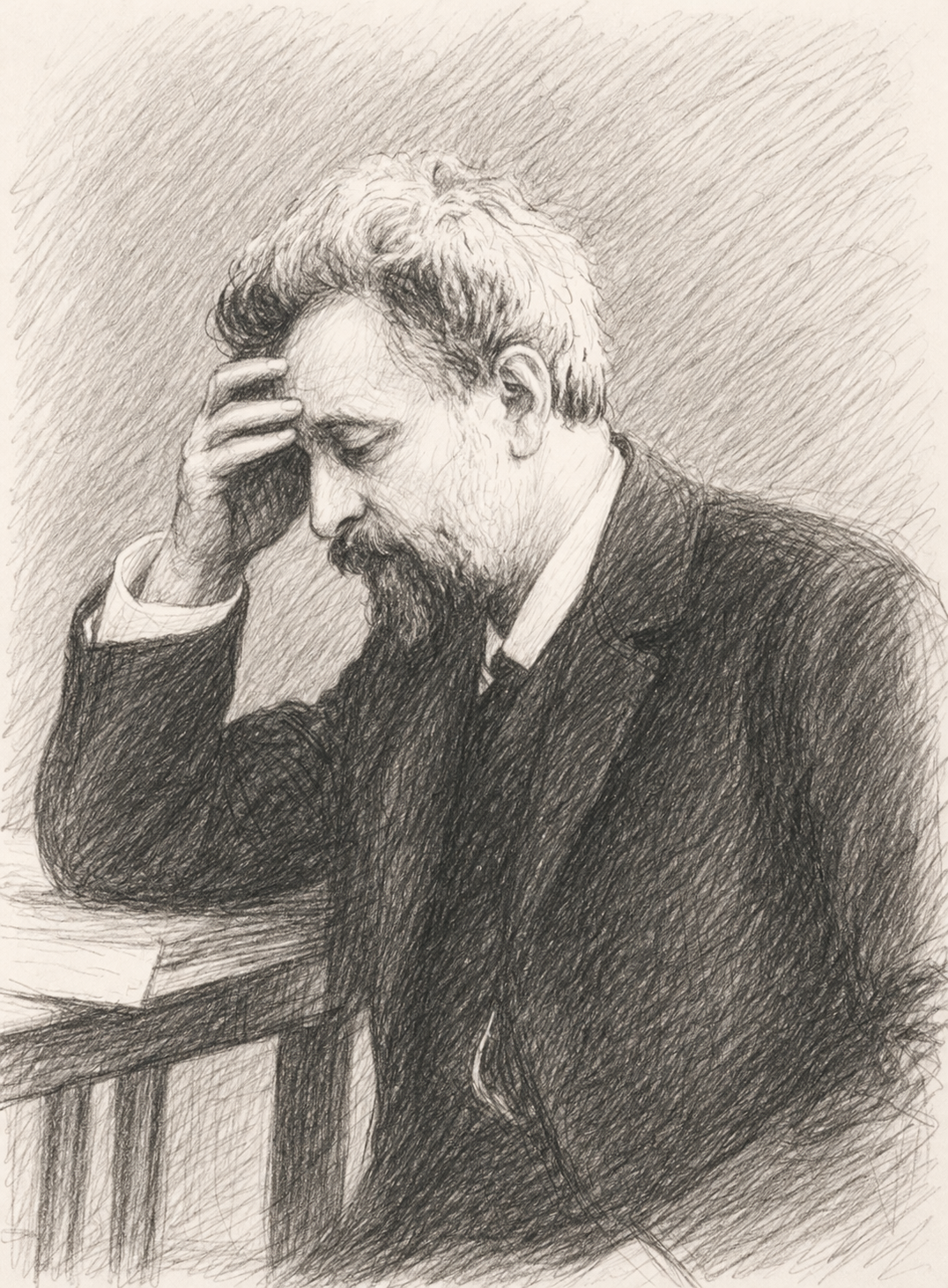
Nikolai Mikhailovich Ladukhin (October 3, 1860, Saint Petersburg — September 19, 1918, Moscow) was a Russian music theorist, composer, and educator. He was born into a hereditary noble family of Vladimir Governorate.
He studied music theory at the Moscow Conservatory under Sergei Taneyev (graduated in 1886) and also studied with Hermann Laroche. After graduating, he remained at the Conservatory to teach solfege and harmony, later also teaching orchestration. He became a professor in 1904. His students included Alexander Scriabin, Nikolai Medtner, Alexander Goedicke, and Alexander Goldenweiser.
He is best known as a theorist and educator. His collections of solfege for one to four voices are still widely used in music education today. His other educational works include "Experience in the Practical Study of Intervals, Scales and Rhythm," "A Concise Encyclopedia of Music Theory" (1897), and "A Guide to the Practical Study of Harmony" (1898).
He also left a substantial body of compositions: "Symphonic Variations" for large orchestra, the musical picture "At Twilight" for string orchestra, piano and violin pieces, approximately 12 romances, choral works for mixed voices, "The Liturgy of St. John Chrysostom" for four-part choir, and 100 children's songs for one to three voices.
He was awarded the Order of Saint Anna and the Order of Saint Stanislaus (3rd class).
Giuseppe Concone (1801–1861)
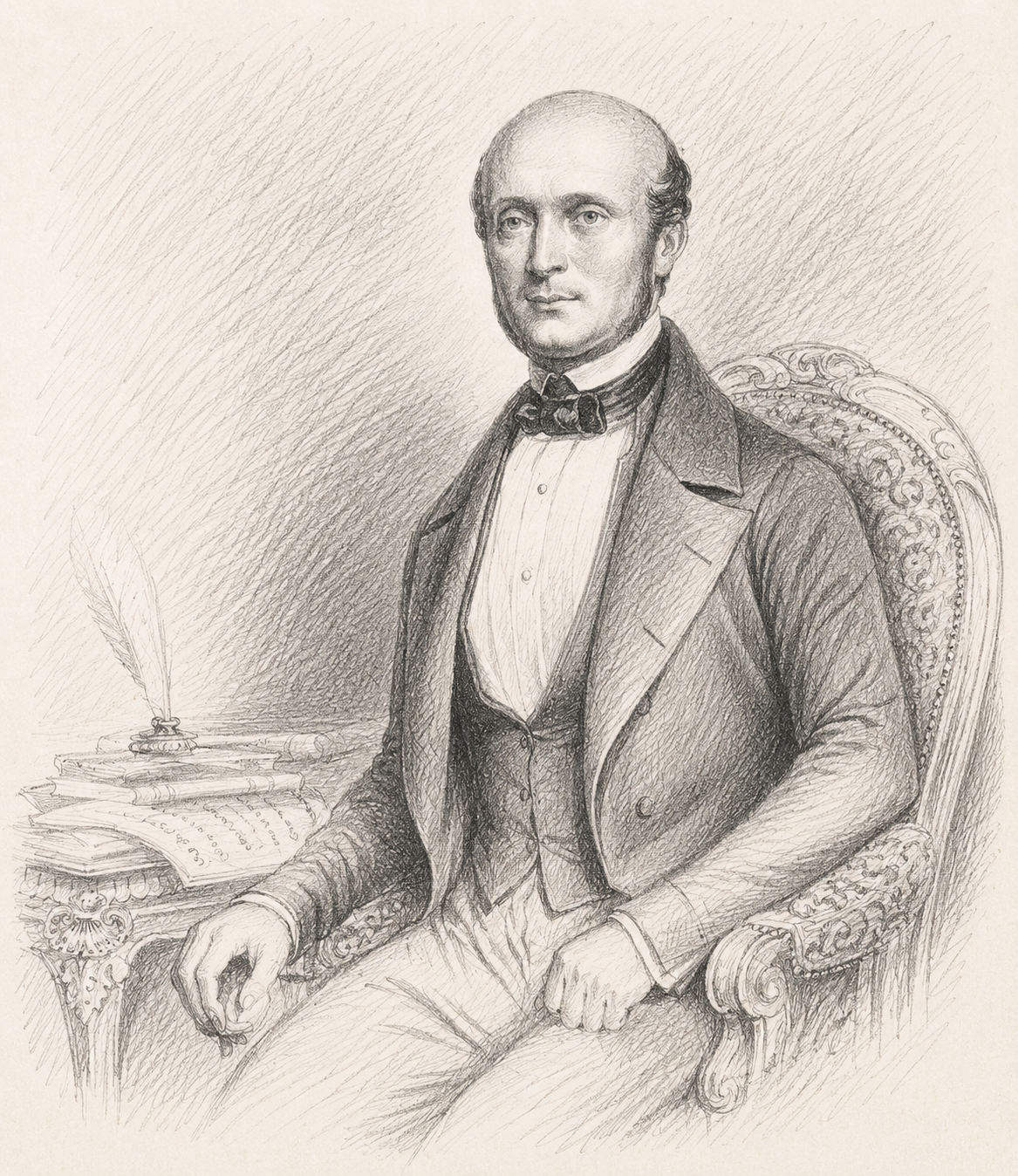
Giuseppe Concone was an Italian voice teacher and composer born in Turin. After a brief career as a singer, he devoted himself to vocal education.
He moved to Paris in 1837, where he established himself as a sought-after teacher of singing, piano, and composition. While in Paris, he gained popularity as a composer of romanzas, arias, and duettini, but his lasting fame rests on his series of solfege exercises.
He returned to Turin in 1848 following the revolutions of that year, and became Maestro di Cappella and organist at the Royal Chapel of Sardinia. He died in Turin in 1861.
His most celebrated work, "50 Leçons de chant" (Op. 9), along with his other exercise collections, is known for being both technically instructive and musically attractive. The exercises are carefully graded in difficulty, and over 170 years after publication, they remain widely used in vocal education worldwide. They are also popular among instrumentalists (flute, trumpet, etc.) as lyrical etudes.