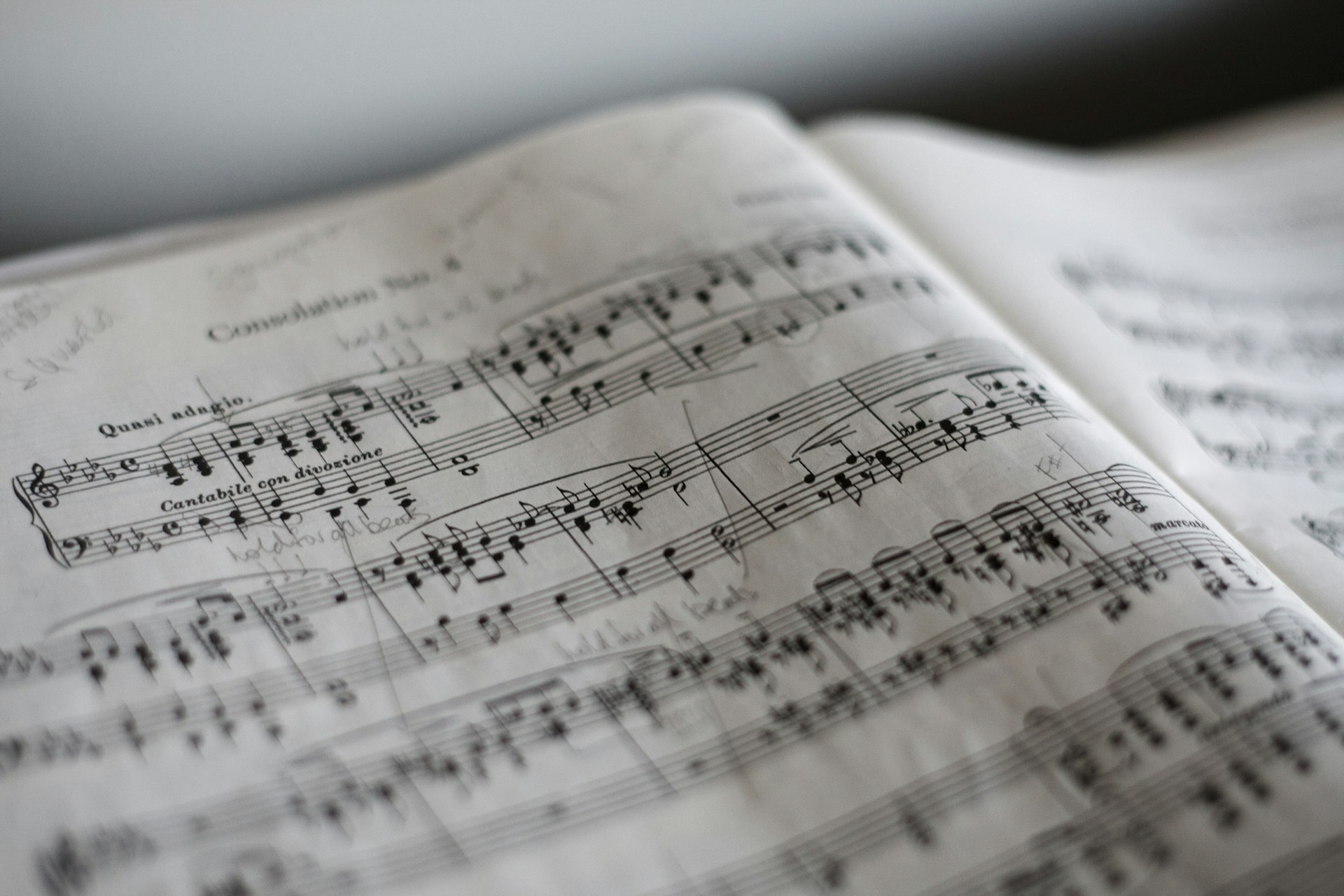
Sing Mozart, Tchaikovsky, and Debussy.
No language skills required, just Do Re Mi.
Classical art songs were written in French, German, Italian, and more. With solfege, you sing their melodies using sol-fa syllables — no language skills, no instrument. Experience the world's greatest music with your own voice.
Everything you need to master sight-singing
Over 350 Melodies
Classical melodies from J.S. Bach, Beethoven, Schubert, Fanny Mendelssohn, Clara Schumann, Fauré, Debussy and more — with piano accompaniment.
Piano Accompaniment & Guide Vocal
Practice with piano accompaniment and a guide vocal that sings the solfege syllables with you. Mute the vocal to sight-sing on your own, then unmute to check your answers.
Variety of Practice Methods
Combine 4 clef types, Fixed-do/Movable-do, and Chromatic/Non-chromatic syllables for 16 different ways to practice. B-flat transposition is also available for download.
Coming Soon: Android
Singalong Solfege is coming to Android. Stay tuned for updates!
Simple steps to improve your sight-singing
Choose Your Solfege Type
Set your movable-do/fixed-do system, chromatic/non-chromatic syllables, clef, and more.
Learn about the differences and how to chooseRead the Score
Scroll through the sheet music at your own pace. Check each note before pressing play. Tap the key display in the top-left corner to see the scale and syllables for that key — handy for checking the tonic and how to read each note.
Sight-Sing
Mute the vocal, slow down the tempo, and try sight-singing with just the piano.
Check Yourself
Unmute the vocal and sing together — the guide vocal is your answer key.
Sing at Regular Tempo
Switch back to regular tempo and sing along.
Play on Your Instrument
Mute the vocal and try playing the melody on your instrument.
What is Solfege?
A method of sight-singing practice using sol-fa syllables (do, re, mi...). Read sheet music and sing it at the correct pitch.
Learn More